Irish Pub NYC: The Go-To Choice for Cozy City Nights
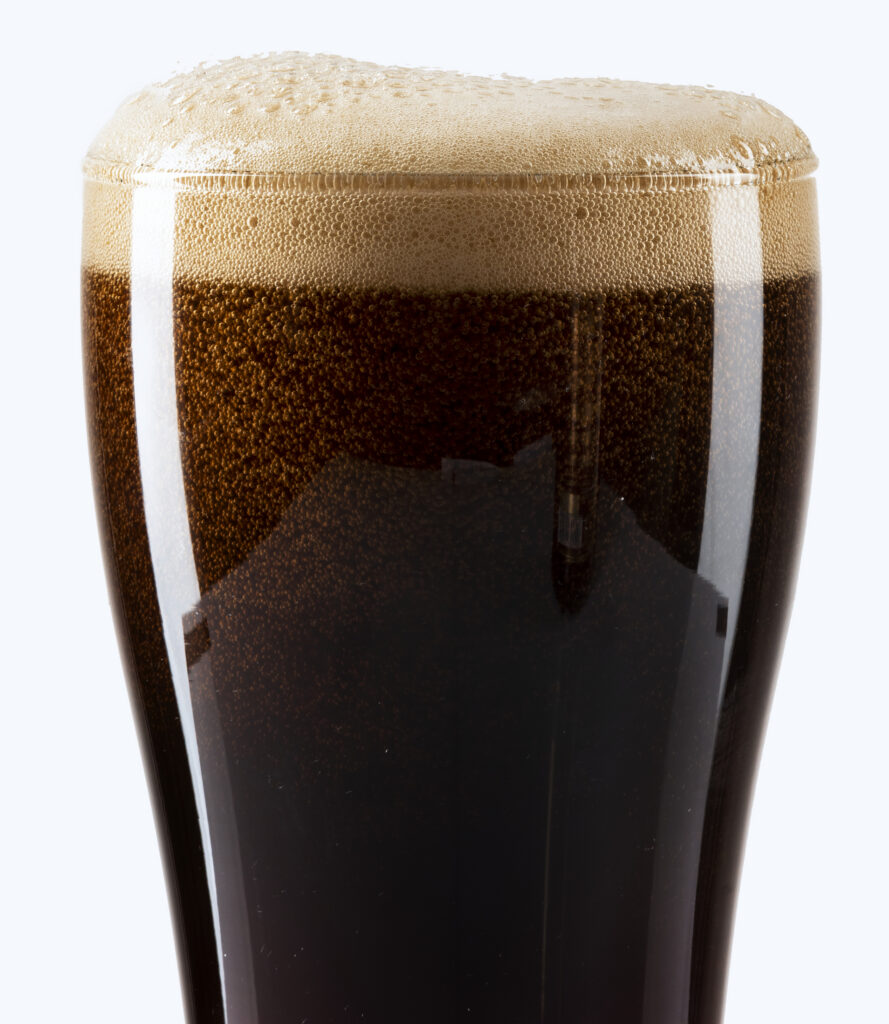
New York has no shortage of places to drink. Cocktail bars chase trends, wine bars cultivate a polished hush, and rooftop lounges sell skyline views by the ounce. Yet when the weather turns sharp, a workday runs long, or a Saturday night needs less performance and more comfort, an Irish pub in NYC often becomes the easy, correct answer.
That is not an accident. The best Irish pubs offer something many city venues struggle to sustain: warmth that feels earned rather than staged. You notice it before the first pint arrives. There is usually dark timber somewhere in the room, a bar top with years on it, low amber light that flatters everyone, and music set to accompany conversation rather than crush it. Even in Manhattan, where square footage is precious and turnover matters, a well-run Irish pub makes people feel unhurried.
This is part of why the category has endured. It is not simply about Guinness, whiskey, or nostalgia. It is about function. An Irish pub works for first dates, post-shift decompression, solo dinners, birthday rounds, and those evenings when a group cannot agree on anything except the need for a place that will welcome all of them. In a city built on motion, the Irish pub remains one of the few social spaces that still knows how to let people settle in.
What makes an Irish pub feel right in New York
A great pub atmosphere sounds easy to manufacture. Add some framed mirrors, pour stout properly, put a fiddle tune on the speakers, and the rest should take care of itself. In practice, most places miss the mark because pub culture is less about decor than about proportion and pace.
The room has to feel alive without becoming chaotic. Seats should be close enough to create energy, but not so packed that every conversation turns into a public announcement. Bartenders need to read the room. In a proper pub, service can be brisk, but it should never feel transactional. There is a difference between efficiency and rush, and regulars notice it immediately.
That human element matters even more in New York because city drinking culture often pushes venues toward extremes. At one end, there are bars optimized for speed and volume, where the music climbs as the night wears on and every surface feels temporary. At the other, there are concept-heavy spaces where the menu is half story, half chemistry set. The Irish Pub NYC crowd is usually looking for a middle path. They want character without gimmick, quality without stiffness, and food substantial enough to count as dinner if plans evolve.
The strongest pubs understand this balance. They can handle a lunchtime crowd ordering shepherd's pie and soup, then shift smoothly into after-work pints, then absorb the late-night wave without losing composure. That flexibility is harder than it looks. Many bars are good at one moment of the day. Irish pubs, when done well, are built for the full rhythm of city life.
The comfort factor is more practical than romantic
People often talk about cozy places as if coziness were purely aesthetic. In reality, it is operational. Comfortable bars make a series of smart decisions that customers feel in their bodies before they name them.
Lighting sits at a level where you can read a menu and still feel sheltered. Stools are built to support a second round. Booths or banquettes absorb some sound. The kitchen sends out food with enough heft to anchor a night, not just pad a tab. Even the pacing of drink service contributes. A pint of stout is different from a quick mixed drink, and the slight delay can nudge the evening into a more relaxed tempo.
During colder months, this becomes especially important. New York winters are not constant blizzards, but they are full of raw evenings when the wind cuts across avenues and everyone arrives half-defensive. Step into a good pub on one of those nights and the place does not merely look inviting, it performs relief. Coats come off, shoulders drop, and conversation starts faster. That is a real social value in a city where many spaces ask people to keep their guard up.
I have seen this dynamic play out countless times in neighborhood pubs. A table begins with people checking phones and talking shop. Twenty minutes later they are leaning in over pints, passing plates of fish and chips, and debating where to go next, only to decide they are already where they need to be. That is the quiet strength of the format. It turns “one quick drink” into an actual evening.
Why Irish pubs work for groups that do not agree on much
One reason the Irish pub remains so dependable is that it solves group indecision. New York social planning often gets tangled in preferences. One person wants beer, another wants whiskey, someone needs food beyond bar snacks, and at least one person dislikes loud rooms where ordering feels competitive. Pubs tend to absorb these competing needs better than most formats.
Beer drinkers are covered, whether they want a familiar lager, a stout, or a rotating local draft. Whiskey drinkers usually have options that range from approachable to serious. Non-drinkers are less likely to feel stranded, especially in pubs that have expanded their menu beyond tonic water and soda. Food is not an afterthought. It may not be fine dining, but it usually satisfies the exact hunger people have after work or before a game.
There is also a social neutrality to the setting. Cocktail bars can feel date-coded. Sports bars can alienate anyone not watching the screens. Trend-driven spots may appeal to one friend and exhaust another. A pub lands in more common territory. It is casual enough for jeans, respectable enough for office clothes, and familiar enough that nobody needs instructions on how the night is supposed to work.
For birthdays, reunions, team outings, or family visits, that versatility matters. If you have ever tried to please six people in Manhattan at 7 p.m. On a Friday, you learn quickly that predictability is underrated. A good Irish pub gives you a strong chance of decent drinks, substantial food, and an atmosphere that can stretch with the group rather than force everyone into a narrow mood.
The neighborhood factor, from Midtown to the outer boroughs
Not every Irish pub in NYC serves the same purpose. Location changes the crowd, the pace, and often the personality.
Midtown pubs tend to be built for volume and stamina. They catch office workers, tourists, theatergoers, and anyone needing a reliable meeting point near transit. The best ones manage to stay personable despite the churn. The weaker ones can feel like holding pens, loud by necessity and forgettable by design. In that part of town, details matter more than ever: the quality of the pour, the speed of the kitchen, whether staff can keep the room from tipping into chaos.
Downtown pubs often attract a more mixed social crowd, with residents, younger professionals, and late-night drifters sharing the space. These places may lean a little more contemporary in music and menu, but the successful ones keep the core virtues intact. They still favor conversation, hearty food, and a room that welcomes repeat visits.
In neighborhoods across Brooklyn and Queens, the pub can feel even more rooted. There, regulars shape the atmosphere in visible ways. Bartenders know names, game days have a cadence, and the pub functions less like a stop and more like a local anchor. This does not make outer-borough pubs automatically better, but it often gives them a steadier identity. You can feel when a place belongs to the neighborhood rather than merely renting space from it.
That distinction matters if you are choosing your night carefully. If you want central convenience and don’t mind a busier crowd, a Manhattan pub can deliver. If you want the kind of place where the room itself feels like part of the evening, a neighborhood spot outside the densest corridors may reward the extra train ride.
Food matters more than pub purists sometimes admit
There is a tendency to treat pub food as secondary, as if the true test of a pub lies only in the pint and the atmosphere. That underestimates how much the kitchen shapes the experience. In New York, where people often arrive hungry and stay longer than expected, food is not backup. It is structural.
A strong menu does not need to be sprawling. In fact, it is usually better if it is not. What matters is that a few staples are handled with confidence. Fish and chips should arrive hot, crisp, and substantial, not greasy and limp under a blanket of fries. Shepherd's pie should feel comforting rather than institutional. A good burger can earn its place on the menu, especially in a city where not everyone at the table wants traditional pub fare. Soup, stew, soda bread, https://tysonddzd689.urbanvellum.com/posts/why-friends-choose-an-irish-pub-nyc-spot-for-reunions and a serious plate of bangers and mash can carry more emotional weight on a winter night than any elaborate small plate ever could.
There is also a practical point here. People drink differently when the food is real. A pub that feeds guests properly creates a safer, steadier evening. The room stays balanced, energy remains social rather than sloppy, and customers leave feeling looked after. You can see this in places that know their audience. Instead of treating the kitchen as an accessory, they use it to turn a bar visit into a full hospitality experience.
One of the clearest signs of a pub that understands itself is the number of people at tables eating complete meals, not just picking at fried appetizers. That tells you the place works as more than a pregame or fallback option. It has become a destination on its own terms.
The difference between authentic and performative
“Authentic” gets thrown around too casually in hospitality. In the pub world, it can become an empty marketing signal, meant to justify everything from imported signage to overdecorated interiors. Real authenticity is quieter.
An authentic-feeling Irish pub does not need to announce itself at every turn. It shows in the integrity of small choices. The stout is poured with care. The whiskey list has some thought behind it. The music fits the room and the hour. Decor may nod to heritage, but it does not feel assembled from a movie prop house. Most of all, the staff behave as if hospitality is a craft rather than a sales tactic.
That does not mean every pub has to look old or replicate a Dublin local. New York has its own pub traditions now, shaped by immigration, neighborhood history, and the city’s need for versatile gathering spaces. Some of the most successful places blend Irish influences with unmistakably New York habits: a faster lunch service, broader draft selection, more sports on screen, or menus adapted to local expectations. Authenticity, in this context, is less about strict historical fidelity and more about whether the place feels coherent, generous, and grounded.
Customers can sense the difference. Performative spaces tend to photograph better than they live. Authentic spaces do the opposite. They may not shout for attention online, but they are where people actually return, month after month, because the room feels dependable in ways that are difficult to fake.
What to look for when choosing an Irish pub for the night
If you are picking a pub for a date, a catch-up, or an unplanned long evening, a few practical cues can save you from disappointment.
First, stand in the doorway for a moment if you can. The volume of the room tells you a lot. Buzz is good, strain is not. If everyone is yelling before 8 p.m., the night may become work.
Second, glance at the bar top and nearby tables. You can learn more from what people are actually consuming than from the menu online. If you see full pints, half-finished dinners, and groups settled in comfortably, that is usually a good sign.
Third, pay attention to staff movement. Efficient bartenders and servers create calm. Frazzled service spreads tension through a room faster than bad music.
Fourth, do not ignore seating. A beautiful pub with punishing stools loses charm quickly. If you plan to stay more than one round, comfort matters.
Fifth, consider why you are there. Some pubs are ideal for a quick pint before a train. Others are built for lingering, with a kitchen and atmosphere that justify staying put. Matching the pub to the purpose is often the difference between a decent night and a memorable one.
Why the Irish Pub NYC search keeps winning
Type “Irish Pub NYC” into a search bar on a cold Thursday afternoon and you are not just looking for a drink. Usually, you are looking for a feeling, maybe even a guarantee. You want a place likely to be open, welcoming, and able to hold the mood you need. In a city full of variables, that kind of reliability has value.
The search also reflects something deeper about New York nightlife right now. Many people are less interested in novelty for its own sake. They still enjoy ambition and style, but they increasingly reward places that deliver consistency. A pub rarely promises reinvention. It promises steadiness, and if it is good, it delivers that with enough personality to avoid becoming dull.
This is especially true for residents who go out often enough to understand the difference between a place that impresses once and a place that serves real life. The bars that matter most are not always the ones people post most aggressively. They are the ones woven into routine: the stop after a late office night, the table reserved before a family event, the refuge when weather ruins other plans, the room where two pints and a hot meal can fix more than expected.
An Irish pub occupies that role better than almost any other format in the city because it balances familiarity with enough variation to stay interesting. One night it is a quiet corner and a bowl of stew. Another night it is packed shoulder to shoulder before a match. Another, it becomes the accidental center of a reunion because everyone knows how to relax there.
Cozy does not mean sleepy
There is a misconception that cozy bars are tame bars. The best Irish pubs disprove that immediately. They can be lively, crowded, and even raucous, but the energy tends to feel collective rather than chaotic. People are there to talk, sing along, watch, toast, argue, flirt, and stay a little longer than planned. That is different from the brittle energy of venues where the room feels one spilled drink away from collapse.
Part of this resilience comes from the pub’s physical design. Enclosed spaces, solid materials, and a bar-centered layout naturally create pockets of interaction. Part comes from ritual. Ordered rounds, familiar dishes, and recognizable drinks stabilize the social flow. Even on busy nights, there is a pattern people understand.
This is why an Irish pub can hold both intimacy and noise without losing itself. A couple in a booth can have a real conversation while a larger group celebrates near the bar. A solo patron can read the room without feeling conspicuous. That range is rare, and it explains why pubs remain so useful across age groups and occasions.
The lasting appeal of a room that asks less of you
Many city venues demand something from the customer before the night even starts. Dress for the concept. Study the menu. Commit to the reservation window. Accept the soundtrack. Adjust to the scene. The Irish pub asks much less. Show up, order something honest, and take your time.
That ease is not simplistic. It is the product of a mature hospitality model that understands what people need from urban social space. Not every night out should feel like an event. Most people, most weeks, want something steadier: good drinks, real food, conversation, and an atmosphere that lets the night become what it wants to become.
For cozy city nights, that formula keeps proving itself. The lights are low, the glasses are full, the kitchen is still on, and nobody is trying too hard. In New York, that can feel almost luxurious.
When people keep returning to the same Irish pubs across the city, they are not chasing novelty. They are choosing a place that has learned how to hold comfort without becoming bland, and how to create energy without sacrificing warmth. That is why the Irish pub endures, and why for so many New Yorkers, it remains the go-to choice when the night calls for shelter, conversation, and a pint that lands exactly as it should.
Hibernia Bar
401 W 50th St
New York, NY 10019, United States
Phone: +1 212-969-9703
FAQ About Irish Pub NYC
What is the best Irish pub in NYC?
The best choice depends on your location and preferred atmosphere. Hibernia Bar is a neighborhood Irish pub in Hell's Kitchen offering Guinness, Irish whiskey, pub food, and sports viewing.
Where do Irish people go in NYC?
New York's Irish community gathers in many neighborhoods and venues. Hibernia Bar welcomes Irish expats, local residents, and visitors at 401 W 50th St, just off Ninth Avenue.
Where can I watch GAA games in New York?
Hibernia Bar lists GAA among the sports it shows. Call +1 212-969-9703 to confirm coverage and opening times for a particular match before visiting.
What is the difference between a bar and a sports bar?
A sports bar emphasizes televised games and a shared viewing atmosphere. Hibernia combines sports viewing with the food, drinks, and hospitality of a neighborhood Irish pub.